
Commack · Huntington · Long Island, NY
Water Damage Restoration in Commack, NY
Calls answered 24/7
Call (631) 600-0014In the first hour, call about water damage in Commack or Huntington. Our local restoration professionals remove standing water, check affected rooms and manage drying, with moisture readings guiding the next stage.
- Calls answered 24/7
- Local restoration providers
- Commack, Huntington and nearby towns
First hour through the drying stage
First hour
In the first hour, stay clear of wet electrical areas and stop the leak only if safe. Call now and describe the water.
First day
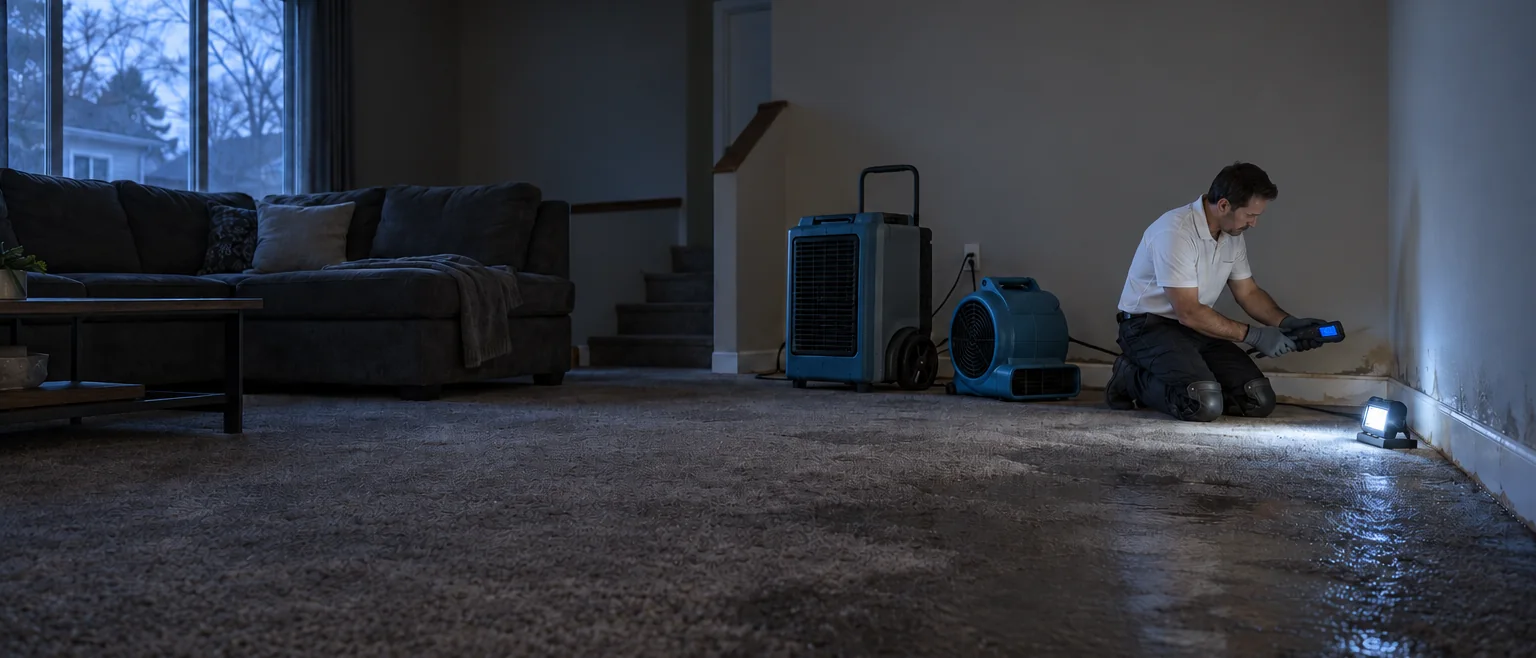
During day one of cleanup, your technician extracts standing water, checks floors and wall cavities, and sets up drying equipment for materials that can be saved.
First week
During the first week of drying, moisture readings track progress and guide repair decisions. Flood drying can take several days to weeks, according to EPA.
Day one: water damage cleanup services
At the first sign of water, Long Island homeowners can call about burst pipes, flooded basements, soaked ceilings or damaged flooring. Cleanup addresses the source, the wet materials and the drying needed.
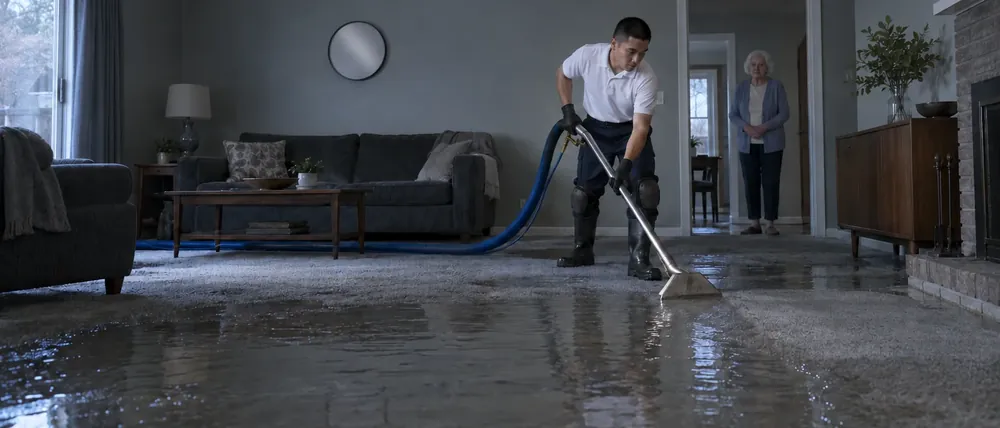 Emergency Water RemovalIn the first hour, standing water from a pipe break, appliance leak or flood needs extraction and an assessment of soaked materials.
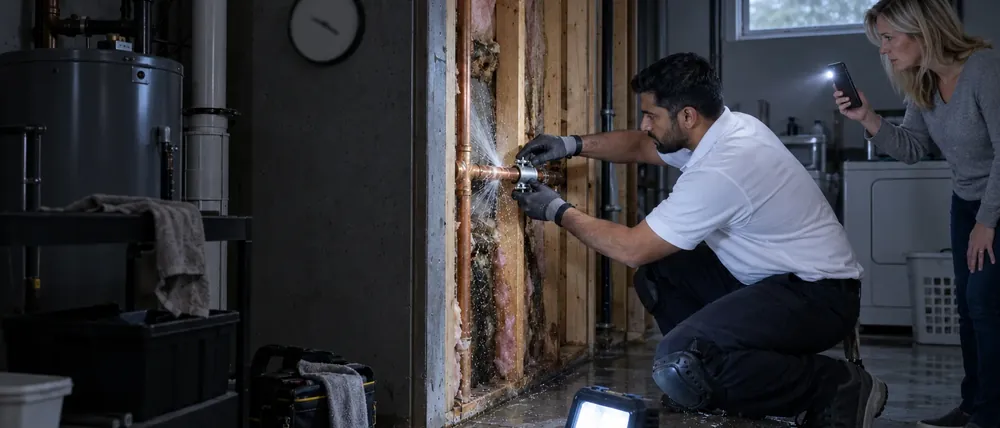 Burst Pipe Water DamageIn the first hour after a pipe breaks, water spreading through walls, ceilings or flooring needs extraction and a drying assessment.
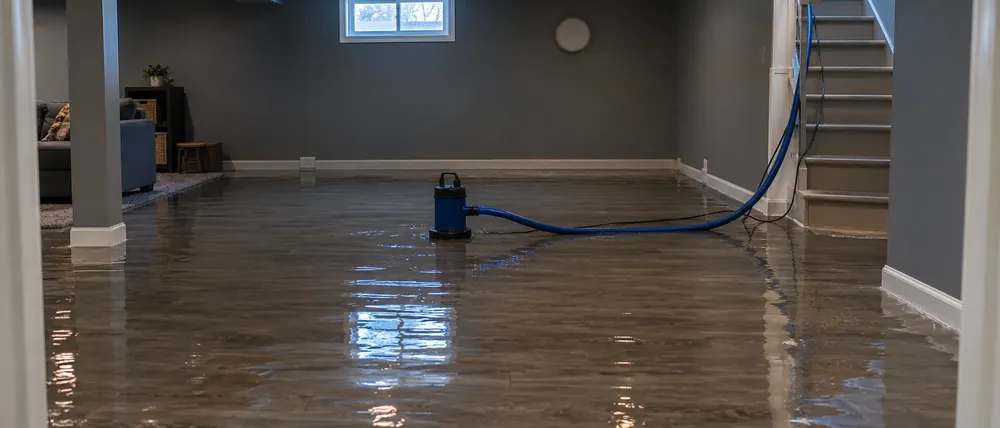 Basement Flooding CleanupAt discovery, standing water in a finished or unfinished basement calls for safe extraction, contamination assessment and checks beneath wet flooring.
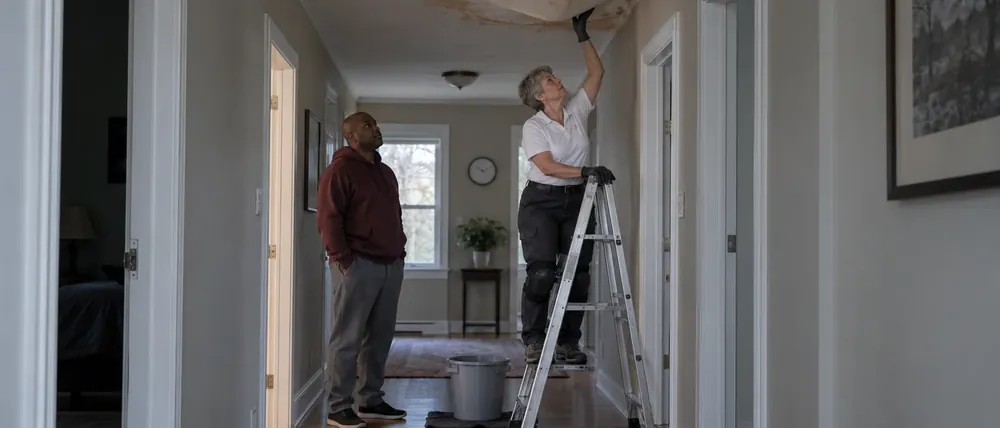 Ceiling Water DamageAfter an overhead leak, ceiling service addresses staining, sagging drywall, trapped moisture, and the repairs needed before repainting.
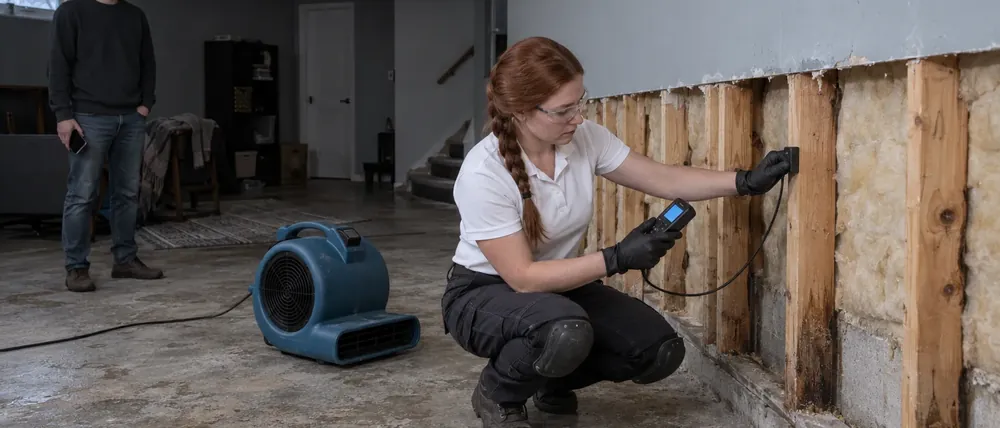 Wall & Drywall Water DamageAfter a wall leak, drywall service addresses softened panels, lifting seams, wet insulation, and hidden moisture before replacement or refinishing.
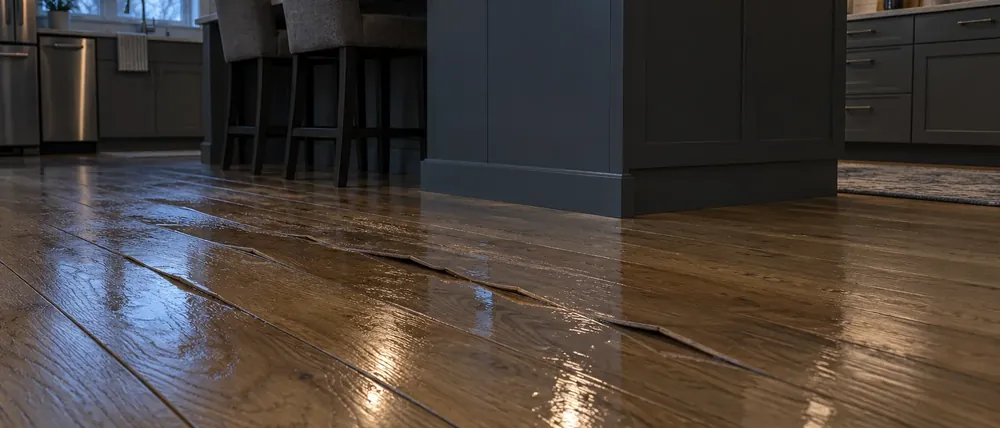 Wood Floor & Carpet Water DamageWhen flooring gets wet, extraction and moisture checks address soaked carpet, saturated padding and hardwood boards that cup or lift.
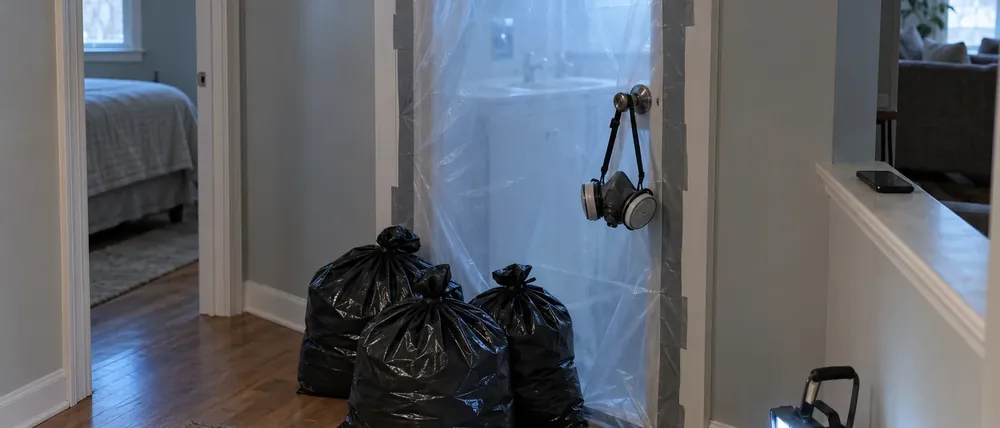 Sewage Backup CleanupAt the first backup, sewage cleanup addresses contaminated water, affected porous materials and the cleaning needed before the space can dry.
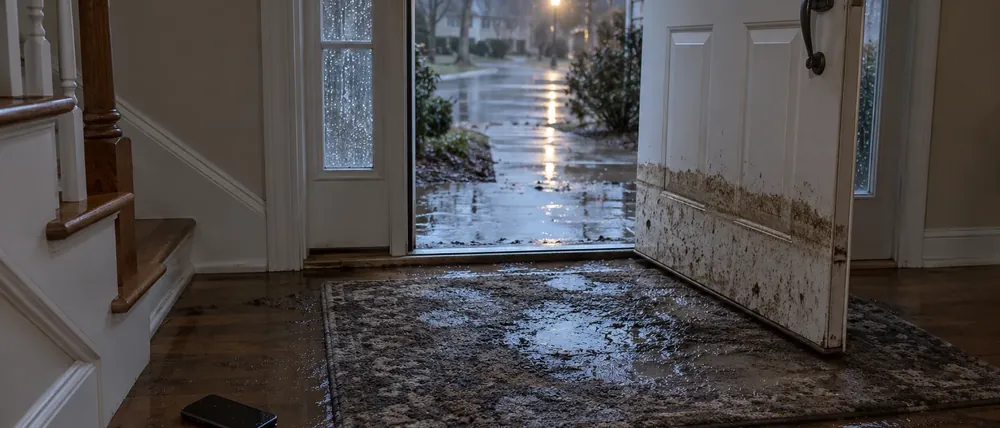 Flood & Storm Water DamageAfter a storm sends water indoors, flood damage cleanup addresses standing water, contaminated materials, and moisture left behind.
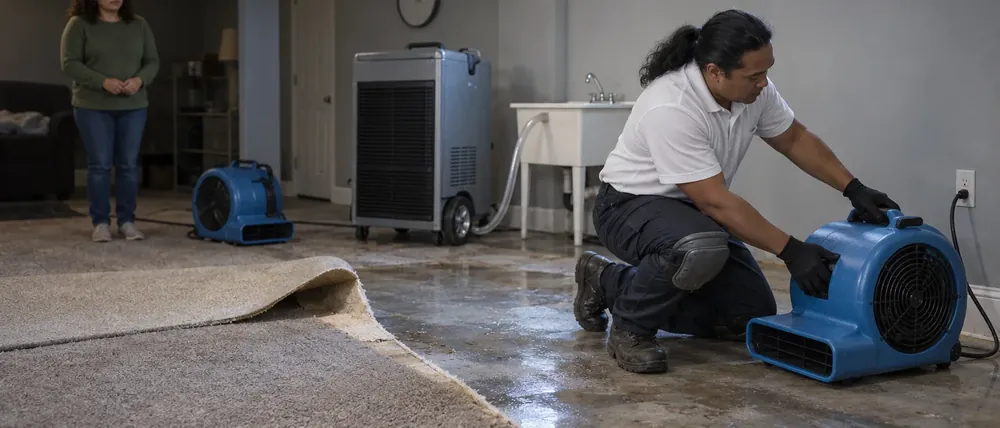 Structural Drying & DehumidifyingAfter visible water is removed, structural drying addresses moisture that remains in walls, flooring, and other building materials.
First hour: a call about your home
In the first hour after finding water in Commack, Ironwood Water Damage connects you with local restoration help for your home. Call now and explain what you see: water across a floor, a ceiling drip, a soaked carpet or a basement filling after rain. Homeowners in Huntington and nearby Long Island towns can describe the problem during the same call. You don't need to identify the leak or choose a service first. Your technician sets the visit time and explains how the assessment will establish the scope.
At the assessment stage, your technician checks where water has traveled, identifies affected materials and explains the cleanup sequence. Standing water removal comes before checking the moisture that remains inside walls or beneath flooring. The drying plan follows those findings. You'll know which areas need attention, what equipment is involved and which repair decisions depend on drying results. Photos, moisture readings and a written scope provide a record of the damage and the work.
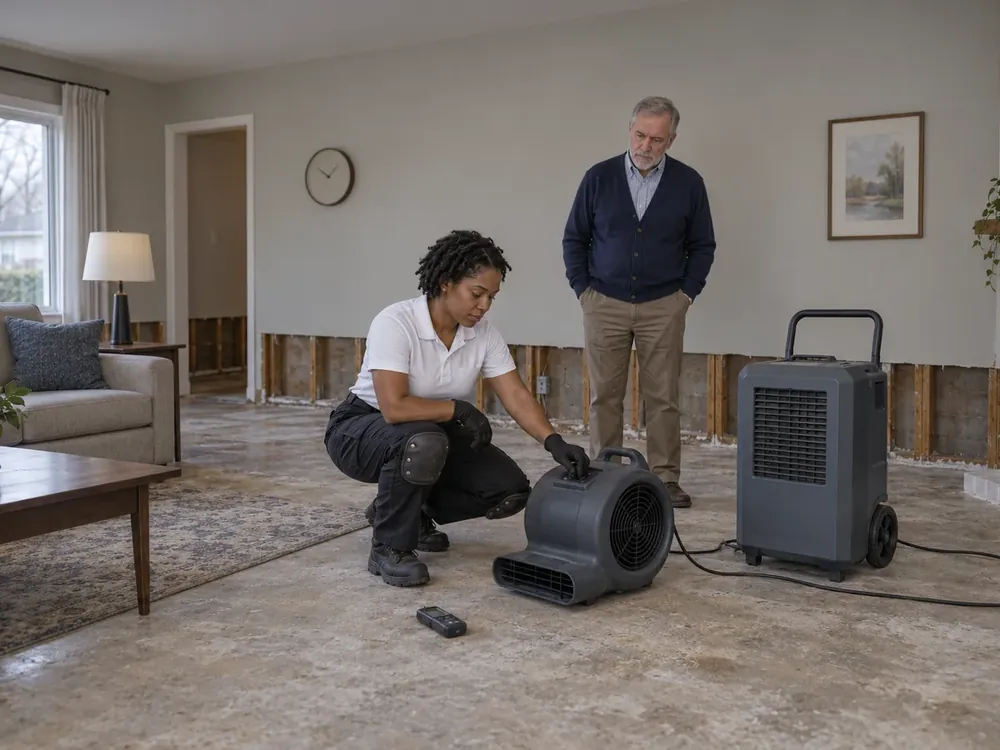
First hour onward: call to dry
- Hour one: Call and describe the wet rooms, the visible source and any safety concerns; your technician arranges the visit and explains the assessment.
- Day one: At cleanup, your technician removes accessible standing water, checks the spread into surrounding materials and sets up the appropriate drying equipment.
- Days two to four: During ongoing drying, your technician compares moisture readings and adjusts equipment as needed; EPA notes that flood drying can extend for weeks.
- Week one: At the progress review, readings guide the next repair decisions; surfaces and cavities stay open until the affected materials are dry enough to close.
First hour: indoor leaks and stormwater
In the first hour, the water source helps shape cleanup in Huntington and Commack. A broken supply pipe, a leaking water heater or a failed appliance hose can wet adjoining rooms before the puddle looks large. Freezing water can also expand enough to break a supply pipe. During the call, share whether the water is still flowing and where it first appeared. Your technician follows the moisture beyond the visible stain.
After heavy summer rain, outdoor water needs a different assessment from an indoor supply leak. The National Weather Service's August 2024 flood archive documents destructive flooding on Long Island. Its August 19 statement named Huntington and Commack among affected locations and warned about basement flooding. Stormwater can carry contamination indoors. At the cleanup stage, the source and the condition of wet materials determine what can be cleaned and dried and what needs removal.
First day: act on visible water
In the first day after a leak, calling starts an assessment while water may still be spreading through absorbent materials. Carpet padding can hold water beneath a surface that looks better after blotting. Wood can swell, and drywall can draw moisture beyond the original wet patch. Removing the puddle alone doesn't establish whether the floor or wall is dry. Your technician checks the affected layers and explains the findings.
At the call stage, calls answered 24/7 let you describe the problem when you discover it. Share any dripping, standing water or change in the stain during the conversation. One of our local restoration partners will walk you through the scope and the price before any work starts. The explanation covers removal, drying and the materials that need closer inspection.
During cleanup, photos, moisture readings and a written scope create documentation for insurance. EPA recommends cleaning and drying flood-affected homes within 24 to 48 hours where possible because persistent moisture creates health risks. That recommendation explains why early action matters; the actual drying duration depends on the damage and the readings.
First call: Huntington and surrounding towns
At the first call, homeowners around Huntington and Commack can get help with water affecting living rooms, kitchens and lower levels. The surrounding service area reaches North Shore and central Suffolk communities, including Smithtown, Kings Park and Hauppauge, plus Greenwich, Stamford, Norwalk and Bridgeport in Connecticut. Whether your home is a detached house or an apartment, the cleanup plan follows the affected rooms and materials.
After a leak or heavy rain, describe whether water entered from outdoors or escaped inside the home. The August 2024 National Weather Service warning included Huntington, Commack and neighboring communities. Visit the service areas page for town pages, then call now to explain what's wet and where the damage started.
Questions people ask
What is water damage restoration?
At the cleanup stage, water damage restoration means removing water, drying affected materials and identifying the repairs needed. Your technician checks floors, walls and contents to establish the scope. Moisture readings show whether hidden areas still need drying. The work follows the water's source and spread through your home.
Is water damage an emergency?
In the first hour, active flooding, water near electricity or a sagging wet ceiling needs immediate attention. Keep clear of the affected area and call from a safe place. If there's an immediate threat to life, contact emergency services. Describe the hazard during your restoration call so the assessment starts with safety.
Can water damage be fixed?
At the assessment stage, many water-damaged homes can be restored through drying, cleaning and replacement of materials that can't be saved. The result depends on the water source and the extent of damage. Your technician checks affected surfaces and underlying layers, then explains which repairs follow drying and which materials need removal.
Will water damage fix itself?
After the visible water disappears, damage can remain inside damp flooring, walls or insulation and needs assessment. A stain fading doesn't establish that the underlying material is dry. Your technician uses moisture readings to assess hidden wetness and explains whether drying or removal is needed before repairs cover the area.
How long does water damage restoration take?
During the drying stage, flood-affected materials can take several days to weeks to dry, according to EPA. Restoration also includes assessment, cleanup and any repairs required afterward. Your technician uses readings and material condition to explain progress. The schedule depends on the affected layers, contamination and the amount of water.
What does water damage restoration include?
From the initial assessment onward, restoration includes checking the water source, removing standing water, assessing wet materials, drying and planning repairs. Some materials need removal because of contamination or damage. Photos, moisture readings and a written scope document the findings. The scope explains how each stage applies to the rooms affected.
At the first sign of water in your home, call now and describe the affected rooms and what you see.
Call (631) 600-0014