
Commack · Huntington · Long Island, NY
Sewage Backup Cleanup in Commack, NY
Calls answered 24/7
Call (631) 600-0014At the first sign of sewage backing up in Commack, NY, call from outside the affected area. Our local restoration professionals isolate contaminated spaces, remove sewage water and affected materials, clean suitable surfaces and assess the remaining drying work.
- Calls answered 24/7
- Sewage Backup Cleanup
- Serving Commack, Huntington and nearby
Initial cleanup: isolation, removal and surface cleaning
- Initial assessment: Your technician identifies affected rooms and discusses where the backup appeared. Contamination and safe access guide the cleanup plan, while a plumber addresses the drainage fault.
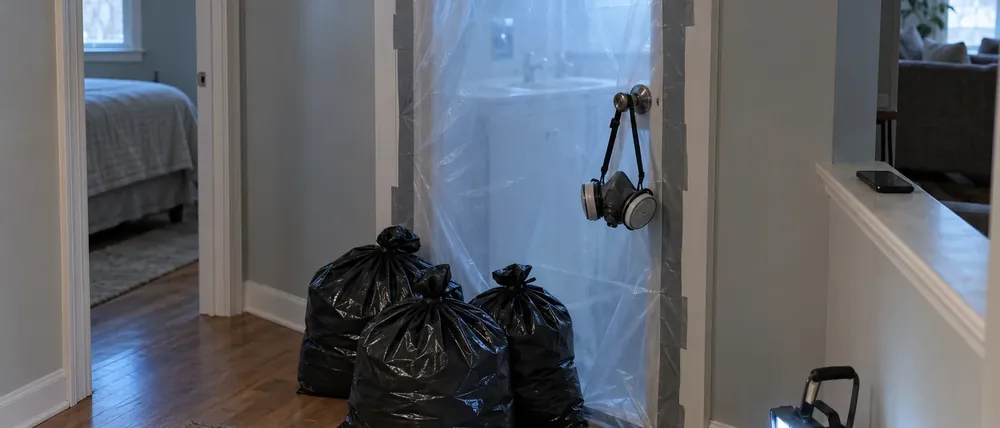
- Isolation stage: Barriers separate the work area from clean living spaces. The plan accounts for movement through the house so contaminated materials do not travel through unaffected rooms.
- Removal stage: Contaminated water and materials that cannot be safely cleaned are removed. Your technician explains the proposed removal of carpet, padding or other affected porous materials.
- Cleaning stage: Remaining suitable surfaces are cleaned before appropriate disinfection. Cleaning products are selected for the surface and used according to their labels.
- Drying and review: Retained moisture is addressed after contaminated materials and surfaces have been handled. Moisture readings and photos document the condition of the space before repair planning.
First warning: wastewater entering the living space
- Immediately: Wastewater rises through a floor drain, toilet or shower and spreads onto the floor.
- As water escapes: Dirty water reaches carpet, wall edges or stored belongings.
- During repeated backups: More water enters the room when another fixture drains.
- After the water recedes: Sewage residue remains on surfaces or inside porous materials.
- When contamination is uncertain: A strong sewage odor accompanies damp flooring. Call now and describe the odor and visible water without entering the affected room.
From the first call: sewage cleanup stages
- Hour one: Call from a clean area and describe the sewage backup. Keep people away from the affected space while the next steps are explained.
- Day one: Once access is safe, your technician assesses contamination and explains isolation, removal and cleaning. Plumbing repair addresses the cause of the backup.
- Days two to four: During ongoing drying, moisture readings track the remaining work. EPA flood cleanup guidance describes drying as usually taking several days to weeks.
- Week one: At the progress review, recorded conditions determine the repair plan. Cleaning and drying must be addressed before affected spaces are rebuilt.
Before cleanup: what affects the sewage scope
Before cleanup begins, sewage cleanup cost depends on how far wastewater spread and which materials it reached. Contaminated carpet, padding, wall cavities and stored contents can add removal and disposal work. Access, surface cleaning and retained moisture affect the remaining scope.
The cleanup plan and its cost are part of your conversation with one of our local restoration partners before any work begins. During that conversation, clarify which cleanup tasks are included and which plumbing or repair tasks are separate. Read the water damage restoration cost guide for the factors behind the proposed work.
At the first backup: a clear next step
- At any hour: Calls answered 24/7 give you a way to describe a sewage backup when it happens.
- During the conversation: A local restoration professional uses the details you share to explain the cleanup sequence.
- Before cleanup begins: The scope and price are explained so you can discuss removal, cleaning and drying.
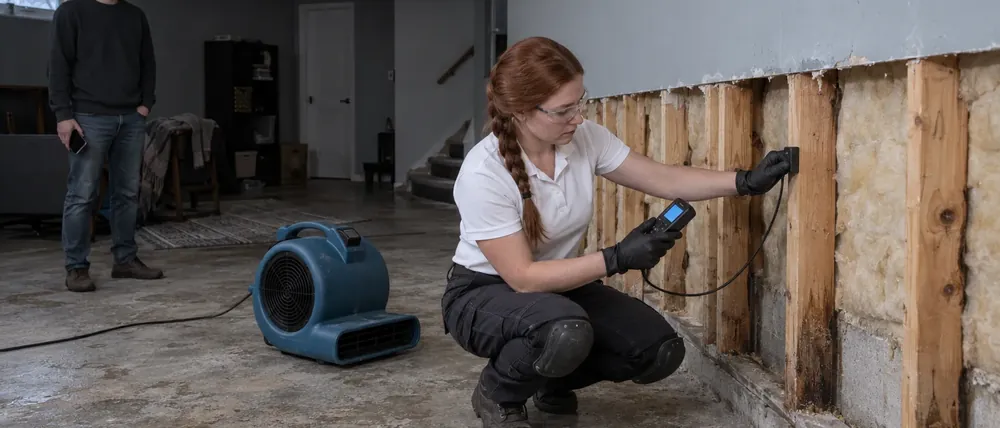
- As the work progresses: Photos, moisture readings and a written scope provide documentation of affected rooms and the condition of retained materials.
First hour and assessment: documentation for insurance
In the first hour, take photos only from a clean, safe location. Record visible water and affected belongings without walking through sewage or moving contaminated items.
During assessment, your technician records affected materials, moisture readings and a written scope. Keep the photos, scope, receipts and subsequent drying records together for documentation for insurance. Note changes reported during the work so the record distinguishes the initial damage from later removal and cleaning.
First minutes: avoid contact with sewage
In the first minutes, keep children and pets outside the contaminated area and call from a clean space. CDC's Cleaning Safely After a Disaster guidance identifies bacteria in water contaminated by sewage. Avoid walking through the backup or touching affected belongings.
During the first hour, keep electrical appliances out of use near wastewater. Never reach a breaker through standing water. CDC's Reentering Your Flooded Home guidance calls for an electrician when safe access to the power switch is blocked.
After accidental contact, wash exposed skin with soap and clean water. Leave cleaning chemicals unmixed; CDC warns against mixing bleach with other cleaners.
Related water damage services
Areas we serve around Huntington and Commack
At the first sewage backup in Huntington, Commack, Elwood or Greenlawn, or Greenwich, Stamford, Norwalk or Bridgeport in Connecticut, call for cleanup help and describe the affected space.
Sewage Backup Cleanup FAQs
What should I do when sewage backs up into my home?
At the first backup, stay out of the contaminated area and call for cleanup help from a clean location. Keep children and pets away from wastewater. Describe the affected drain or fixture during the call. Do not walk through sewage to reach electrical switches or attempt cleanup with a household vacuum.
How much does sewage removal cost?
Before sewage removal begins, the cost depends on the wastewater spread, access and amount of contaminated material involved. There is no single price that fits every room or floor assembly. During the scope conversation, ask which tasks cover water extraction, material removal and disposal, and which address later cleaning and drying.
How much does sewage cleanup cost?
Before work starts, the full cleanup cost reflects removal, surface cleaning and the drying needed for materials that remain. Wastewater inside wall cavities or beneath flooring changes the work involved. A written scope should identify included tasks and separate plumbing repairs from restoration. You can discuss those details during the price conversation.
Can carpet stay after a sewage backup?
During assessment, sewage-soaked carpet and padding are generally identified for removal because extraction alone does not resolve contamination in porous materials. Your technician explains which layers are affected and what needs to come out. The floor underneath then needs assessment and cleaning before moisture control and replacement flooring are planned.
How do I find sewage cleanup near me in Commack?
When sewage enters your Commack home, call now and describe the backup to start the cleanup conversation. Stay in a clean area while discussing the affected rooms and visible water. Your technician assesses contamination, explains the proposed scope and records conditions as cleanup proceeds. Plumbing repairs address the source alongside restoration planning.
If sewage is entering your home, call now from a clean space and describe where the backup appeared.
Call (631) 600-0014