
Commack · Huntington · Long Island, NY
Emergency Water Removal in Commack, NY
Calls answered 24/7
Call (631) 600-0014In the first hour, call about standing water in your Commack home. Our local restoration professionals extract water from affected rooms and check the materials underneath, then plan drying around the source, contamination and moisture readings.
- Calls answered 24/7
- Emergency Water Removal
- Serving Commack, Huntington and nearby
Day one: extraction and moisture assessment
- First hour: During your call, describe the rooms with standing water and any active leak; your technician arranges the assessment and starts with safety.
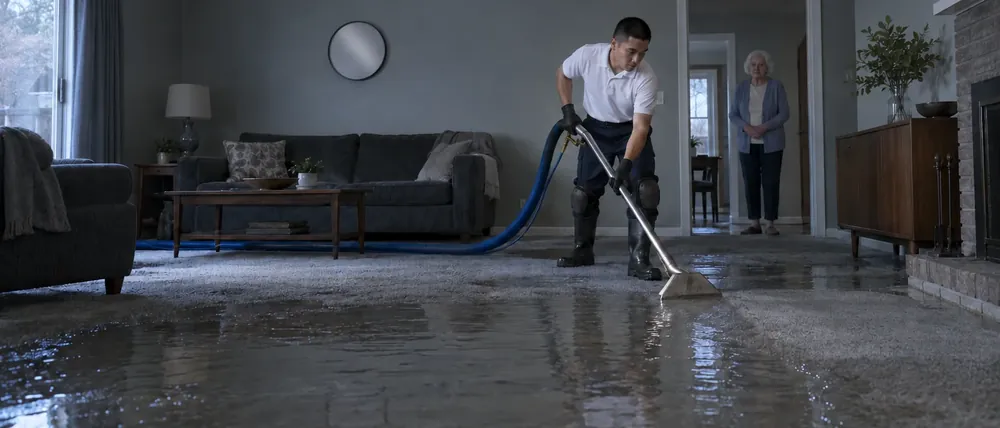
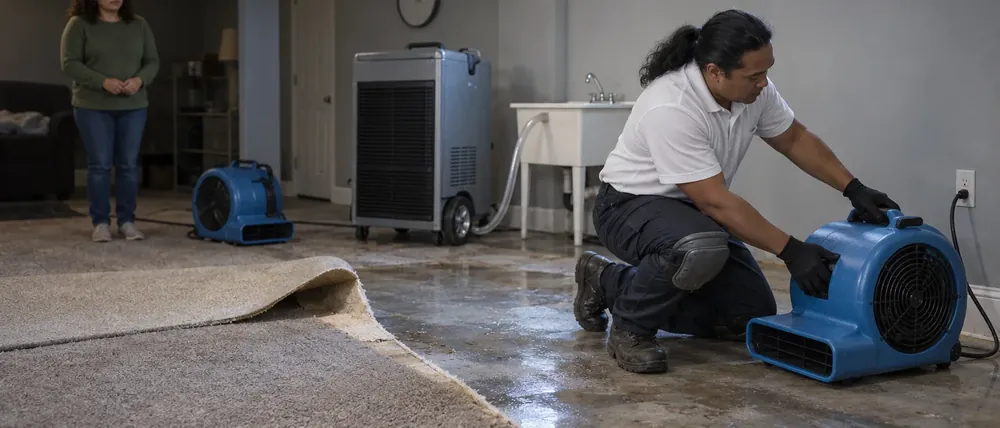
- Day one: At extraction, pumps or extraction tools remove accessible standing water from affected floors and carpets; the method follows the water depth and room access.
- Day one: During inspection, your technician checks padding, baseboards and adjoining wall areas for moisture; visible puddles don't show the full extent of wetness.
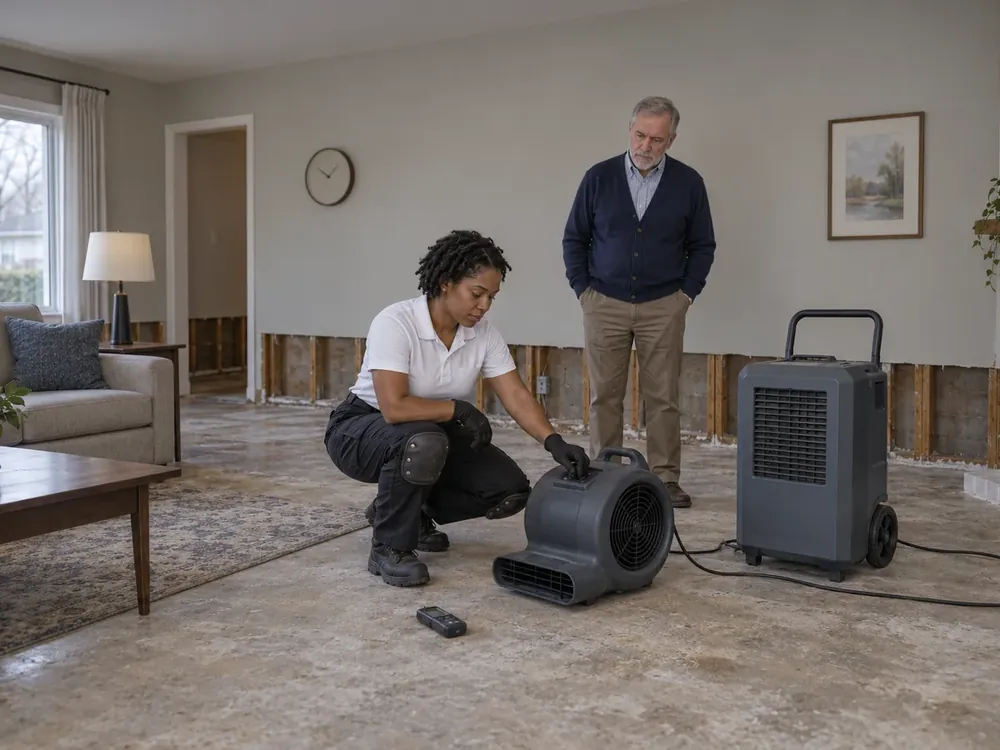
- Drying stage: Air movers and dehumidifiers support drying of materials that can be retained; moisture readings guide equipment adjustments and the next assessment.
- Repair stage: Once drying results support the decision, your technician explains the materials needing replacement and records the findings in the written scope.
First hour: signs to call about
- Right now: Water is rising, spreading across rooms or approaching electrical equipment; leave the hazardous area and call from safety.
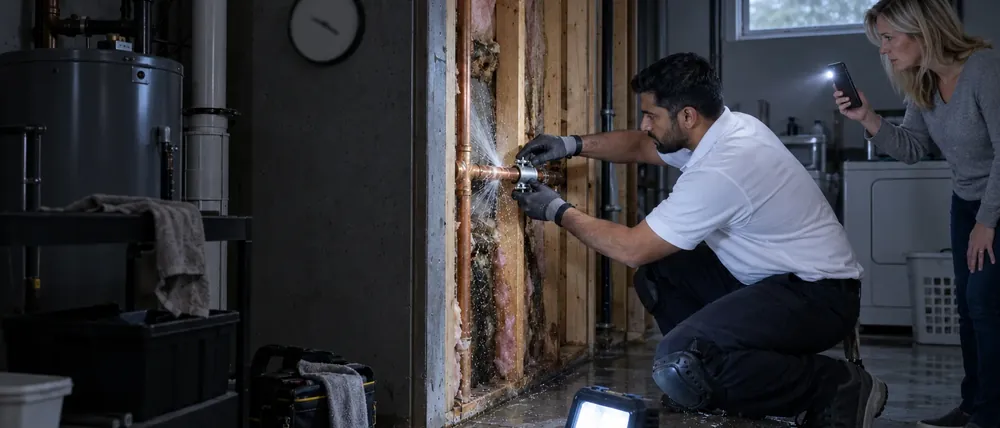
- First hour: A burst pipe or failed appliance hose has left a puddle that keeps growing.
- First hour: Carpet squelches underfoot, or water appears at flooring seams.
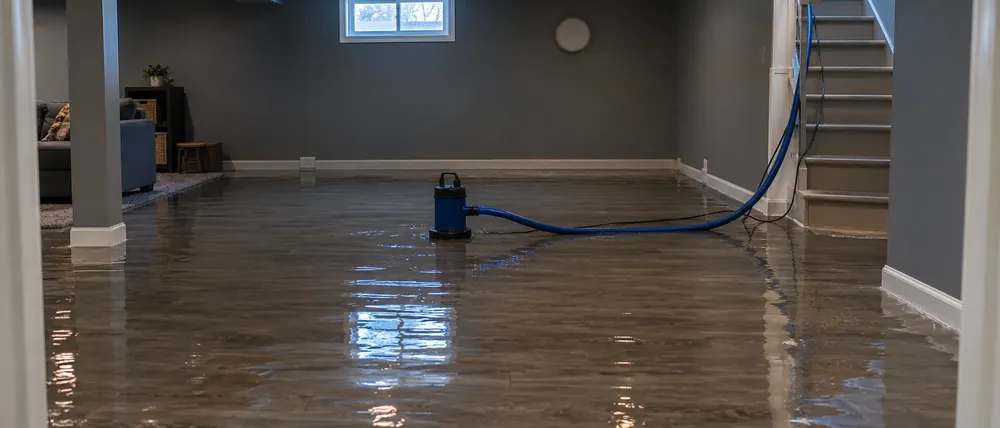
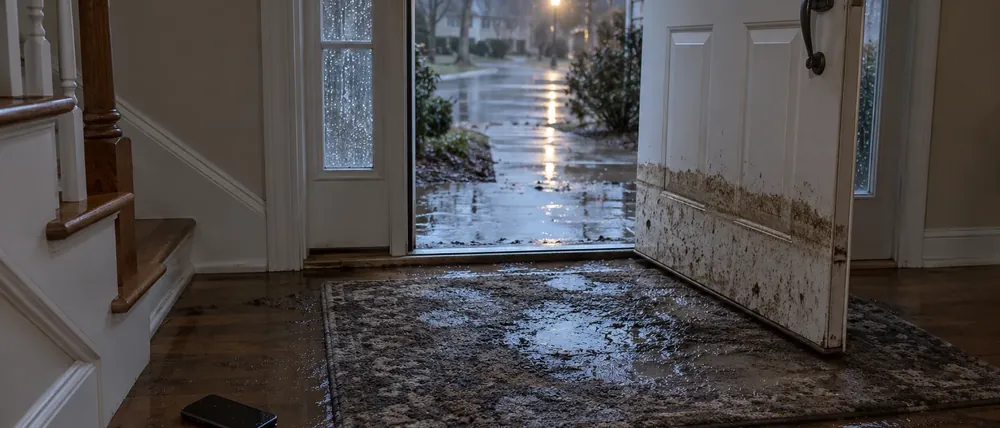
- After rain: Outdoor water has entered a basement or ground-floor room.
- As damage appears: Baseboards swell or damp patches spread beyond the original puddle; describe those changes during the call.
First call through the drying checks
- Hour one: Call about the water removal emergency and describe the affected rooms; your technician sets the visit time and explains the assessment.
- Day one: During cleanup, your technician extracts standing water, checks the affected layers and explains which materials need drying or removal.
- Days two to four: As drying continues, moisture readings show progress and guide equipment adjustments; EPA says flood drying can take several days to weeks.
- Week one: During the progress review, your technician explains remaining wet areas and repair needs; repairs follow adequate drying rather than a calendar deadline.
Assessment stage: what affects the cost
At the assessment stage, water depth, the area affected and access to wet materials shape the cost. Contaminated water, soaked carpet padding and moisture beneath flooring can add removal or cleaning work. Drying equipment and the duration of its use also affect the scope.
Before extraction or drying begins, one of our local restoration partners will explain the proposed work and what it will cost. The written scope separates extraction, drying and any material removal involved. For more detail on the factors involved, read what water damage restoration costs. Describe the damage during your call so the conversation starts with your home.
First call: a clear cleanup sequence
- When water appears: Calls answered 24/7 give you a way to describe the damage as you find it.
- At the call stage: You're connected with local restoration help serving Commack and Huntington for emergency water damage restoration.
- At assessment: Your technician explains extraction, drying and the price before the proposed work begins.
- During cleanup: Photos, moisture readings and a written scope provide documentation for insurance and a record of drying progress.
First hour and day: insurance documentation
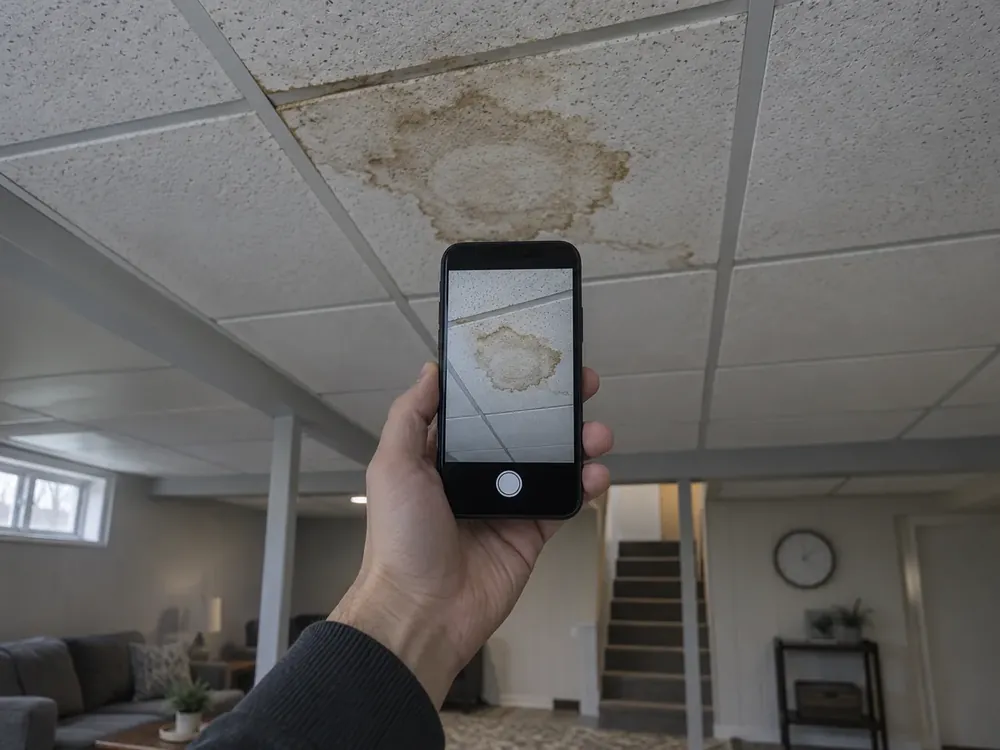
In the first hour, photos taken from a safe, dry position can record standing water, visible stains and affected belongings. Call now; share what you see during the conversation without entering a hazardous room.
At the assessment and cleanup stages, your technician records moisture readings and prepares a written scope. Those records describe the wet areas, the proposed work and progress during drying. Keep copies with your own photos and any invoices. Documentation records the damage and the work; insurance decisions remain with your insurer.
First minutes: stay clear of hazards
In the first minutes, keep out of standing water near outlets, appliances or electrical panels. CDC advises against operating electrical equipment while standing in water. Shut off power only from a dry, safe location; an electrician should handle a switch that requires entering water.
During the first hour, leave immediately if you smell gas and contact emergency services or the gas utility from outside. Don't operate switches or create sparks. Keep children and pets away from floodwater, which EPA warns can contain contamination.
Alongside the restoration call, shut off an indoor water supply only if you can reach the valve safely. Describe hazards from a dry location. Don't enter the wet area to take photos or move belongings.
Related water damage services
Areas we serve around Huntington and Commack
At the first call, homeowners in Commack, Huntington and surrounding Long Island towns, plus Greenwich, Stamford, Norwalk and Bridgeport in Connecticut, can describe standing water and arrange a restoration assessment.
Emergency Water Removal FAQs
What is water extraction?
At the cleanup stage, water extraction uses pumps or suction equipment to remove standing water from floors and absorbent materials. It reduces the water left for drying equipment to address. Your technician also checks beneath carpet and around walls because extraction alone doesn't establish that the affected structure is dry.
How do I request emergency water removal near me?
In the first hour, call and describe your Commack or Huntington home and the rooms with standing water. Your technician sets the visit time and explains the assessment. You can share observations during the conversation without identifying the cause yourself. Stay in a safe, dry place while making the call.
What should I expect from water extraction services near me?
At the assessment stage, expect a check of the source, safety hazards, standing water and affected materials, followed by an explanation of the extraction plan. Your technician selects equipment for the conditions and checks moisture beyond the puddle. Drying follows removal, with readings guiding the progress review and subsequent repairs.
How much does emergency water removal cost?
At the assessment stage, the cost depends on water volume, affected materials, contamination, access and the drying needed afterward. Your technician explains the proposed scope and price before work begins. A basement with soaked padding and hidden wetness can require more work than an accessible puddle on a hard surface.
How much does carpet water extraction cost?
During assessment, carpet extraction cost depends on the area, saturation, padding condition and whether water reached the subfloor. The source also affects whether the carpet can be cleaned and retained. Your technician explains extraction and drying separately from any removal or replacement needed, with the price discussed before work starts.
When standing water reaches your floors or carpet, call now and describe where it started and what is wet.
Call (631) 600-0014