
Commack · Huntington · Long Island, NY
Ceiling Water Damage Repair in Commack, NY
Calls answered 24/7
Call (631) 600-0014In the first hour after a leak, call about ceiling damage in Commack, NY. Our local restoration professionals assess wet materials, plan drying, and explain repairs in sequence, with moisture checks guiding when the ceiling is ready to close.
- Calls answered 24/7
- Ceiling Water Damage
- Serving Commack, Huntington and nearby
First assessment through drying: ceiling service includes
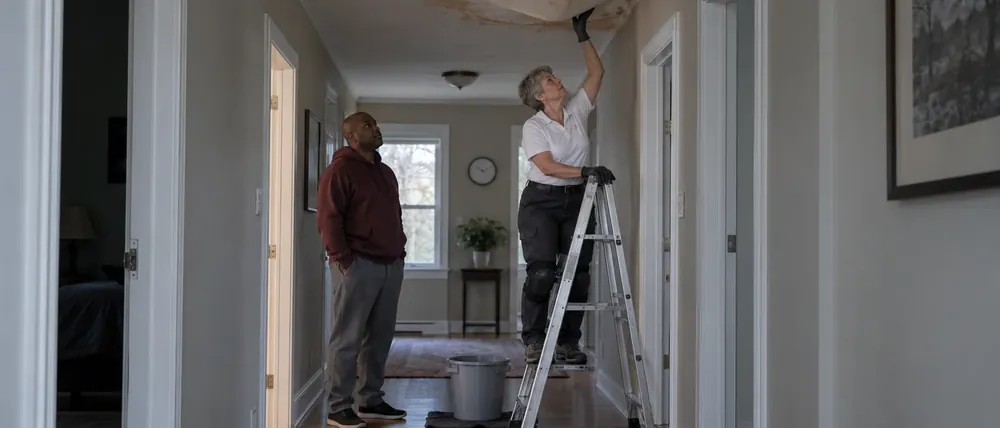
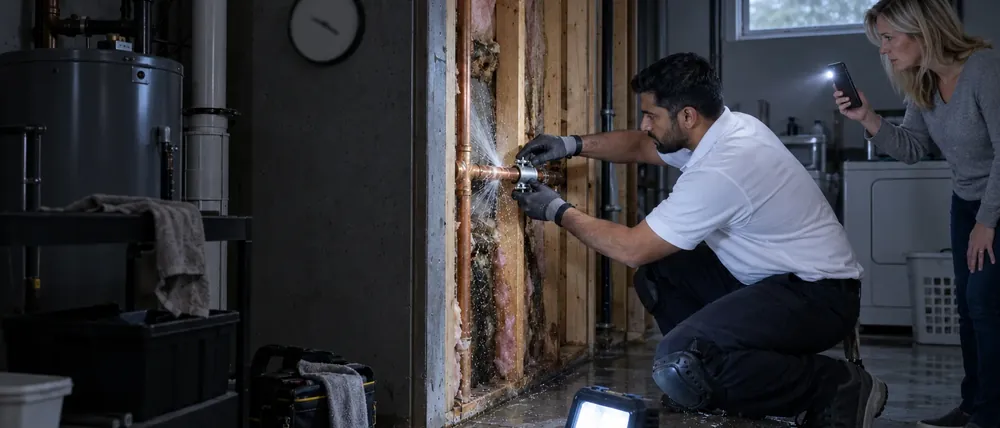
- At the first assessment: Your technician examines the wet ceiling and discusses the leak source. A plumbing or roof repair may need separate attention to stop further water entry.
- After the source is controlled: Moisture readings help define the affected area beyond the visible stain. The inspection also considers insulation and nearby surfaces where access permits.
- Before drying starts: The scope identifies damaged material requiring removal and the access needed above the ceiling. Before water damage repair, ceiling openings are explained so you understand how the wet area will be reached.
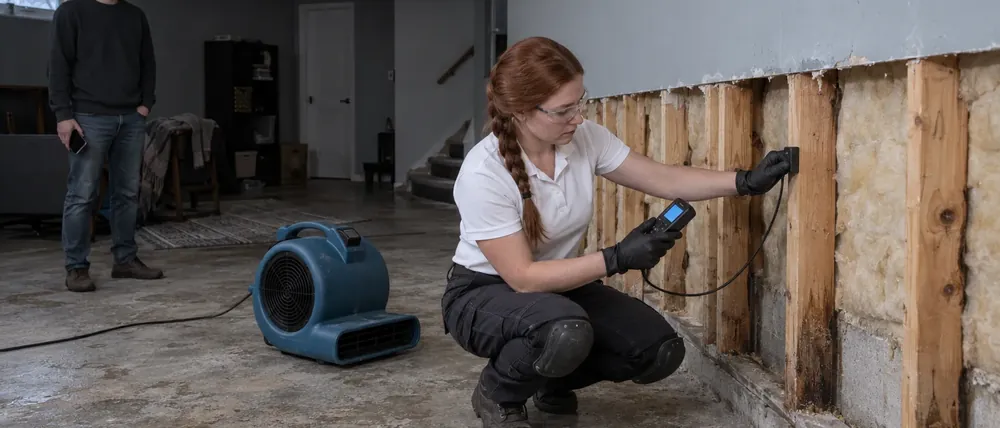
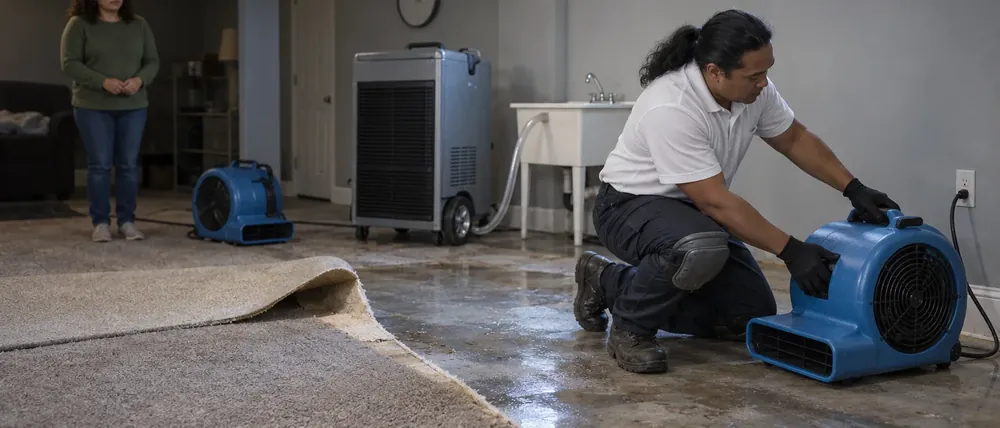
- During drying: Air movement and dehumidification address materials selected for drying. Repeat checks track progress instead of relying on whether the painted surface feels dry.
- Before refinishing: A lasting ceiling water damage fix depends on resolving the source and assessing hidden moisture. The repair scope identifies replacement, patching, and finish work separately.
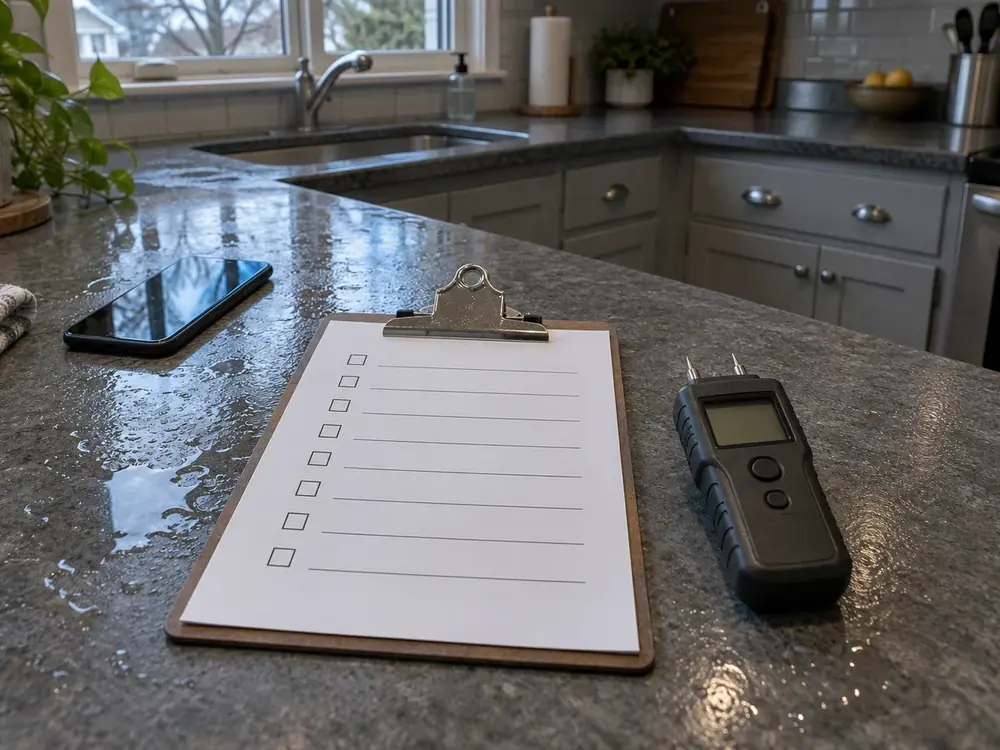
At discovery: ceiling signs that need attention
- Immediately: A bulge, falling pieces, or new sagging means you should stay out from underneath and call.
- During an active leak: Drips through a light fixture require distance from the wet electrical area.
- As staining spreads: A growing brown ring or peeling paint needs assessment beyond the visible mark.
- After dripping stops: Damp seams or a recurring stain can mean the ceiling still needs attention.
- While materials remain wet: A musty smell warrants assessment; persistent moisture creates a general mold risk.
First call through dry checks: the sequence
- Hour one: Call from a safe location and describe the drip, stain, or bulge. Keep people away from the affected ceiling while you explain what you see.
- At the initial visit: Your technician assesses moisture and outlines access, drying, and repair needs. The written scope separates ceiling work from any source repair.
- During the following days: Drying continues with repeat readings and adjustments based on the materials. Flood-soaked assemblies may need several days to weeks, according to EPA guidance.
- Before the ceiling closes: Your technician checks drying progress and explains the remaining repairs. Readings and material condition guide the next stage.
Before work starts: ceiling cost factors
Before work starts, ceiling water damage repair cost depends on the affected area, overhead access, insulation, and how much material needs replacement. A small visible stain doesn't define the full scope when moisture has traveled above the ceiling. Drying equipment, monitoring, texture matching, and repainting also affect the work.
Before any ceiling work gets underway, you'll have a conversation with one of our local restoration partners about the planned tasks and their cost. Ask during that conversation which drying and finish tasks are included and which source repairs are separate. The restoration cost guide explains the main factors without substituting for an assessment.
From the first call: clear next steps
- Whenever you discover damage: Calls answered 24/7 let you describe an overhead leak without waiting for regular business hours.
- After the call: A local restoration professional takes the next steps for your ceiling damage request.
- Before work begins: The scope and price are explained so you understand the proposed drying and repair tasks.
- During assessment and drying: Photos, moisture readings, and a written scope provide documentation for insurance and a record of the affected materials.
First hour and day: document ceiling damage
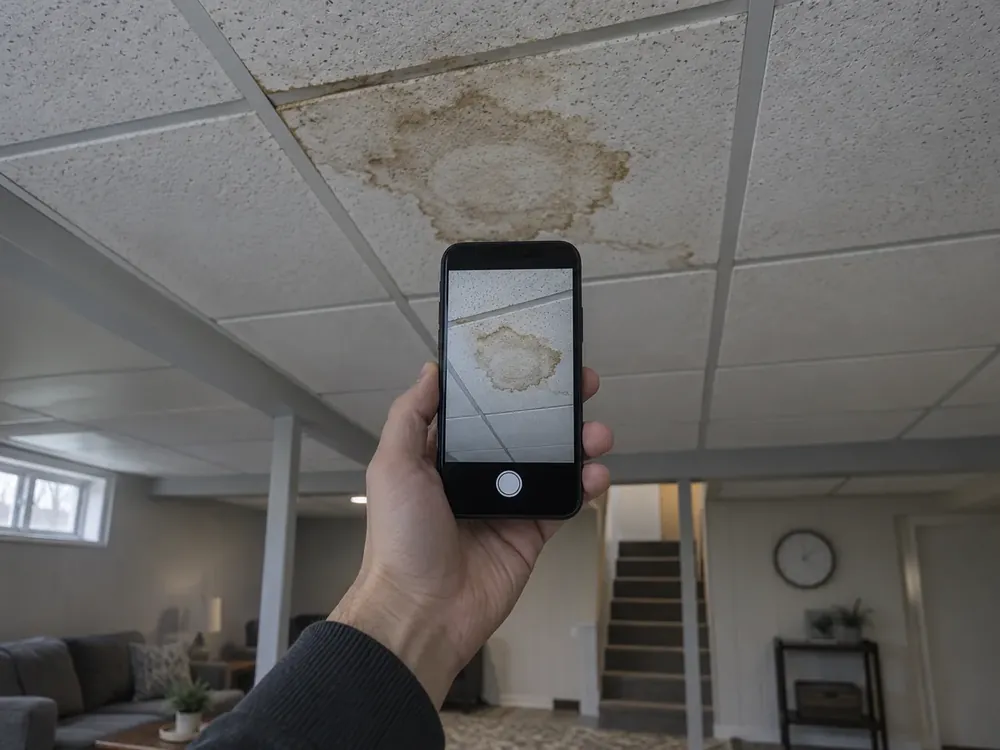
In the first hour, take photos from a safe position to document water damage on ceiling surfaces. Capture the stain, affected room, and damaged belongings without standing beneath a bulge. Call now and share what you've noticed during the conversation.
During the initial assessment, your technician records moisture readings and prepares a written scope. Keep dated photos, the scope, and later readings together as documentation for insurance. Record changes during drying so the file shows the condition before materials are removed and after moisture checks are completed.
First minutes and hour: stay clear of hazards
In the first minutes, leave the area beneath a sagging ceiling and keep others out while you call. Don't press the bulge, climb beneath it, or try to cut an opening. HUD's flooded-house guidance identifies sagging ceilings as a danger requiring care.
During the first hour, avoid wet fixtures, switches, and outlets. CDC guidance says never to reach electrical controls through standing water; an electrician should handle unsafe access. Shut off the water supply only if you can reach the valve safely.
While help is being arranged, keep children away from affected rooms. Take photos only from a safe position. Describe electrical hazards during the call rather than entering the room to investigate.
Related water damage services
Areas we serve around Huntington and Commack
When ceiling staining appears, call for ceiling assessment and drying in Commack, Huntington, and surrounding Long Island towns, plus Greenwich, Stamford, Norwalk and Bridgeport in Connecticut.
Ceiling Water Damage FAQs
What does ceiling water damage look like?
At discovery, ceiling moisture damage can appear as brown rings, bubbling paint, damp seams, or a sagging patch. Drips may appear before a large stain develops. Stay away from bulges and wet fixtures while you call. Your technician uses moisture readings to assess whether the affected area extends beyond the mark you can see.
Who handles water damage ceiling repair near me?
After a leak, a restoration technician assesses and dries the affected ceiling, with repair work defined in the scope. A plumber or roofer may also be needed to correct the source. Call now with the room and visible damage. Your technician explains the order of work and which tasks the ceiling repair scope includes.
Can water damage cause a ceiling to collapse?
During a leak, saturated ceiling materials can sag and fall, so keep everyone away from a bulge or dropping pieces. Don't stand underneath to collect water or investigate. Call from a safe location and describe the condition. Avoid touching nearby lights or switches if water has reached them, and leave unsafe electrical access to an electrician.
Can a water damaged ceiling be repaired without replacing it?
During assessment, intact drywall affected by clean water may be suitable for drying in place if it isn't swollen and its seams remain sound. Damaged or contaminated material needs a different plan. A paint patch alone doesn't establish that the cavity is dry. Your technician explains the removal decision and the moisture checks needed before refinishing.
Does the ceiling need to dry before repainting?
Before repainting, the affected ceiling assembly needs to be dry enough for the planned finish work. A surface that looks dry can still hide moisture above it. Your technician checks material condition and moisture readings rather than using a calendar deadline. During that review, ask whether insulation, patching, texture matching, and paint are included in the scope.
Call now about your ceiling leak and describe the staining, dripping, or sagging from a safe place.
Call (631) 600-0014