
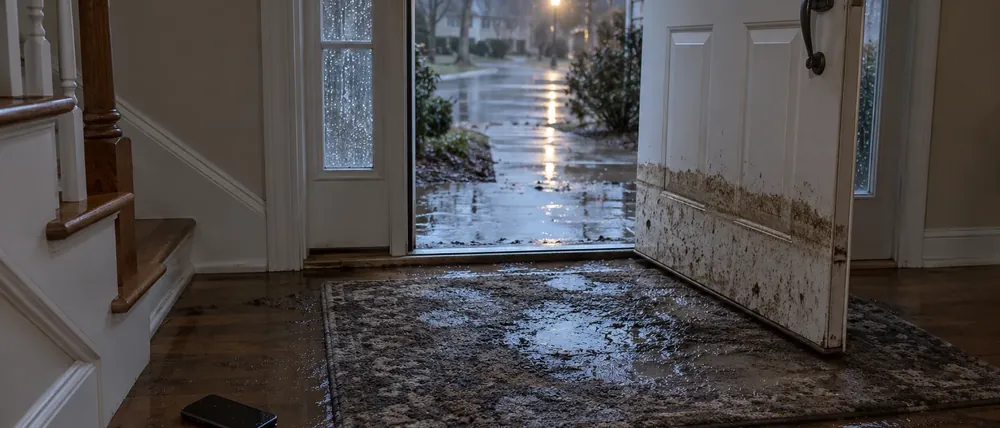
Commack · Huntington · Long Island, NY
Flood Cleanup & Storm Water Damage in Commack, NY
Calls answered 24/7
Call (631) 600-0014In the first hour, call for stormwater cleanup in Commack, NY. Our local restoration professionals remove floodwater, clean affected surfaces, and plan drying once the affected rooms are safe to enter.
- Calls answered 24/7
- Flood & Storm Water Damage
- Serving Commack, Huntington and nearby
From assessment to drying: what cleanup includes
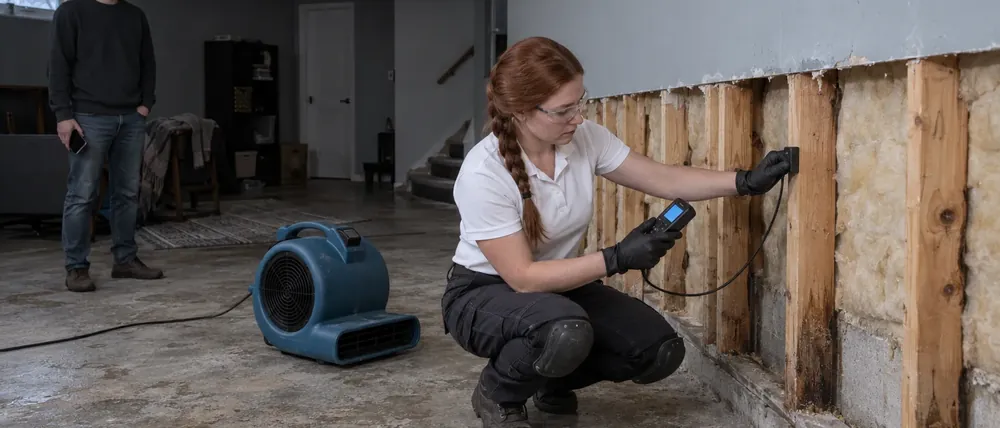
- At the initial assessment: Your technician identifies affected rooms, checks access, and records visible damage. Flood cleanup services follow a written scope based on the water and materials involved.
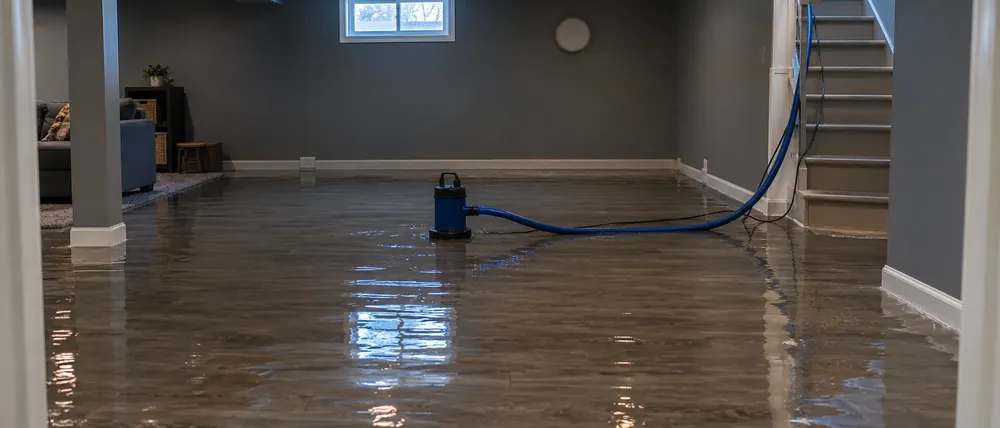
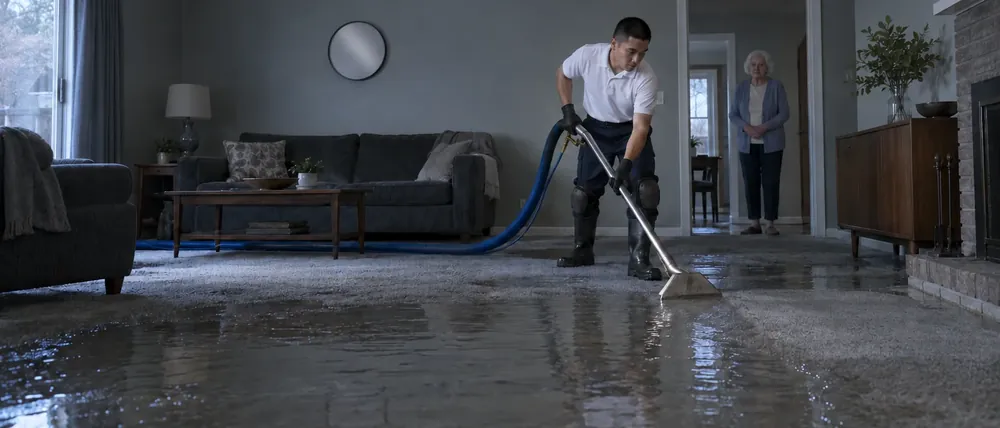
- After safe access: Standing water, mud, and loose debris are removed using methods suited to the building. Deep basement water requires particular care during removal.
- During material assessment: Waterlogged finishes and belongings are assessed for cleaning, drying, or removal. The scope identifies absorbent materials that cannot be safely retained.
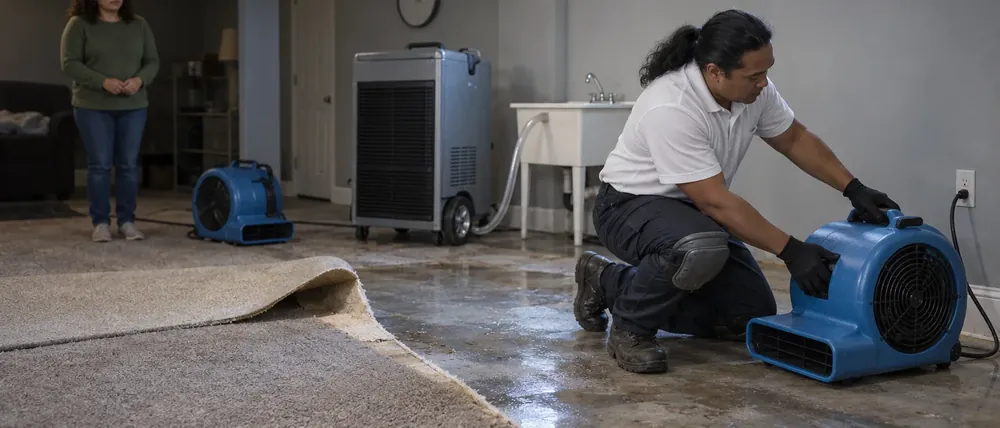
- During cleanup and drying: Affected surfaces are cleaned, and drying equipment addresses remaining moisture. Equipment placement follows the condition of each room.
- At the final moisture check: Your technician records remaining damp areas and explains the next repair stage. Rebuilding follows adequate drying rather than the disappearance of visible puddles.
After stormwater enters: signs to call now
- During the storm: Water reaches occupied rooms or a basement stairwell. Keep clear of rising water and call from safety.
- When water reaches electrical equipment: Wet outlets or appliances make entry dangerous; stay outside the affected room.
- After runoff enters: Mud, debris, or a sewage smell signals water that needs careful handling.
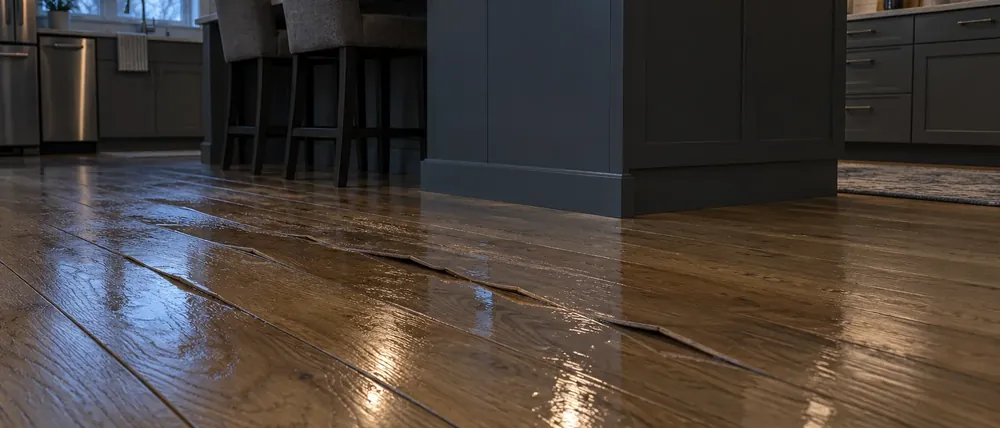
- After puddles recede: Saturated carpet, swollen wall edges, or damp flooring still need assessment.
- During continued wetness: Lingering odors or visible growth warrant a call about unresolved water damage and its general mold risk.
From the first call to the drying check
- First hour: Call from a safe location and describe where stormwater entered your Commack home. Share electrical hazards or rising water during the conversation.
- Day one assessment: Once entry is safe, your technician documents affected materials and explains the cleanup scope. Water removal and cleaning follow the conditions found.
- Days two to four: Drying may still be underway, with moisture checks guiding adjustments. EPA describes post-flood drying as commonly taking several days to weeks.
- Week one and beyond: Your technician reviews moisture results and remaining work. Repair planning follows the readings; the calendar alone does not establish that materials are dry.
At assessment: what shapes the cleanup cost
At assessment, the cleanup cost depends on the affected area, water contamination, damaged materials, access, and drying needs. Deep water, wet insulation, and moisture beneath flooring can add work that isn't visible from the doorway.
An explanation of the proposed flood cleanup and its price will come from one of our local restoration partners before work begins. The written scope should distinguish water removal, cleaning, drying, material removal, and any separately proposed repairs. Read the water damage restoration cost guide for the factors behind the price conversation.
At the first call: clear next steps
- When you find water: Calls answered 24/7 let you describe storm damage whenever it becomes apparent.
- At the first conversation: Local restoration professionals handle Commack and Huntington requests, with your description guiding the next steps.
- Before work starts: The flood cleanup service scope and price are explained so you understand the proposed work.
- During assessment and drying: Photos, moisture readings, and a written scope provide documentation of the damage and cleanup.
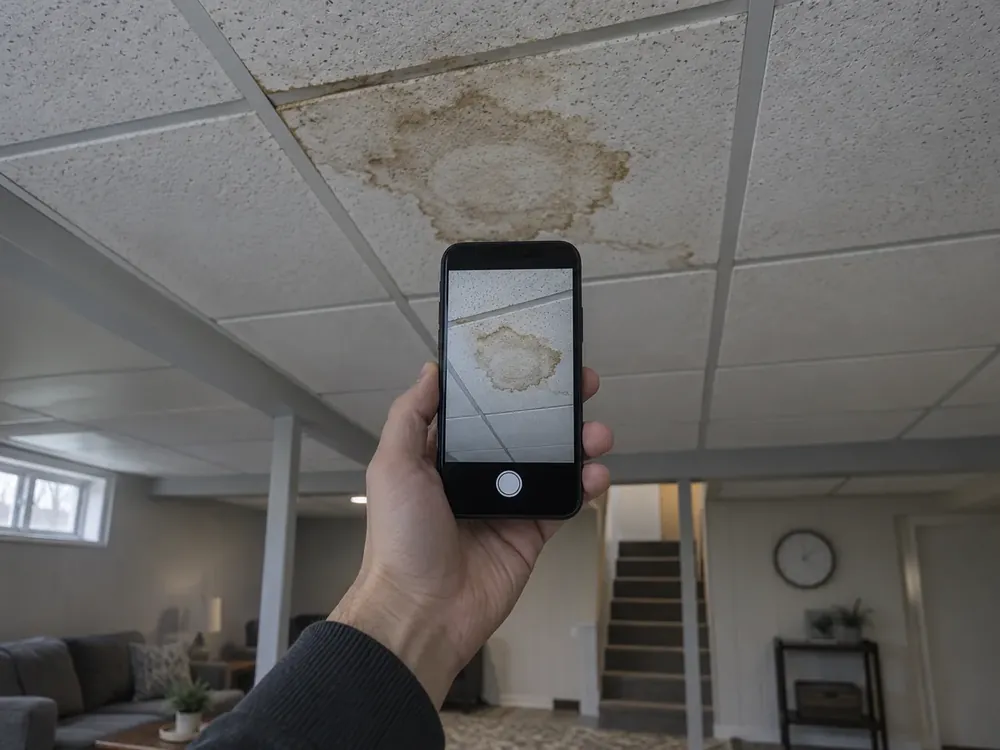
First hour and day: document stormwater damage
In the first hour, photograph affected rooms from a safe, dry position. Record the date, where water appeared, and any belongings you can see without entering floodwater. Call now; observations can be shared during the conversation.
During assessment, your technician records moisture readings and the proposed work in a written scope. Keep those records with your photos, cleanup paperwork, and receipts. Documentation for insurance describes the damage and work performed. Read more about water damage and home insurance.
First minutes: stay clear of flood hazards
In the first minutes, stay out of floodwater and keep children away from wet rooms. CDC's floodwater guidance warns that floodwater may carry sewage, chemicals, and sharp debris. Call from a safe location while keeping the affected space clear.
During the first hour, avoid wet outlets, appliances, and electrical panels. CDC's electrical guidance says never to enter standing water to reach a breaker; an electrician must handle an unsafe shutoff.
While waiting for help, leave a building with visibly damaged supports or leaning walls. EPA's Coming Home guidance treats those signs as unsafe until professionally assessed. Don't enter to retrieve belongings or take photos.
Related water damage services
Areas we serve around Huntington and Commack
At the first call, describe stormwater damage in Commack, Huntington, East Northport, or Greenlawn, or Greenwich, Stamford, Norwalk or Bridgeport in Connecticut, so the affected rooms and cleanup needs are clear.
Flood & Storm Water Damage FAQs
Can a flooded house be saved?
After a flood, many houses can be restored if the structure is safe and damaged materials are properly assessed. Your technician separates cleaning and drying needs from replacement work. EPA advises drying the building thoroughly before replacing finishes. The repair scope depends on contamination, saturation, and the condition of the structure.
Can heavy rain cause flooding in Commack?
During heavy rain, flash flooding can threaten Commack homes, including basements. The National Weather Service listed Commack and Huntington in its August 19, 2024 flash flood warning. That warning does not identify your home's individual risk. Call when water enters, and stay out of rooms with rising water or electrical hazards.
How do I arrange flood restoration near me?
At the first sign of indoor stormwater, call and describe the damage in your Commack home. You don't need measurements or a completed inventory to start the conversation. Explain where water entered and any hazards you can observe safely. Your technician assesses the cleanup and drying work once the affected area is safe to enter.
Who handles flood damage repair near me?
After cleanup and drying, restoration professionals assess the repairs needed for affected walls, floors, and other materials. Water removal and rebuilding are separate stages, so the written scope should identify which work is proposed. Moisture readings help establish when retained materials are ready for repairs. Call now to discuss the damage and the work ahead.
What happens when I call for flood cleanup near me?
During the call, you describe your Commack address, the affected rooms, and any visible hazards from a safe location. The conversation starts the cleanup process without requiring you to inspect wet spaces. Assessment then identifies water removal, cleaning, material removal, and drying needs. Keep people clear of floodwater while those next steps are arranged.
When stormwater enters your Commack home, call now and describe the affected rooms from a safe location.
Call (631) 600-0014