
Commack · Huntington · Long Island, NY
Wood Floor & Carpet Water Damage in Commack, NY
Calls answered 24/7
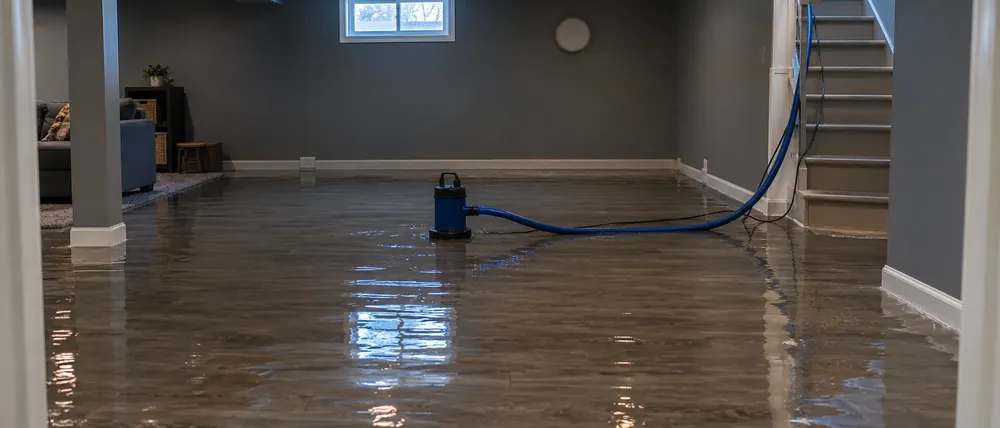
Call (631) 600-0014In the first hour, call about wood floor and carpet water damage in Commack, NY. Our local restoration professionals extract water, assess wet flooring and track moisture beneath the surface so decisions about drying, removal and repairs follow the condition of each material.
- Calls answered 24/7
- Wood Floor & Carpet Water Damage
- Serving Commack, Huntington and nearby
Day one: extraction and floor assessment
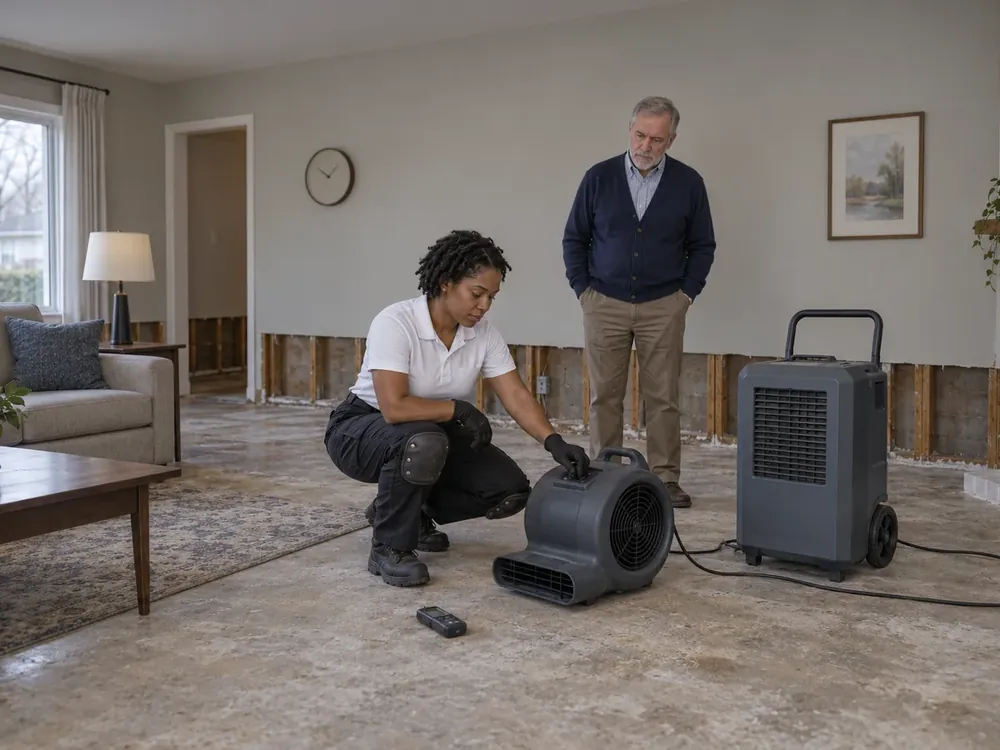
- Initial assessment: Your technician checks the water source, affected rooms and flooring layers. Moisture readings help identify wet areas beneath boards or carpet that surface inspection can miss.
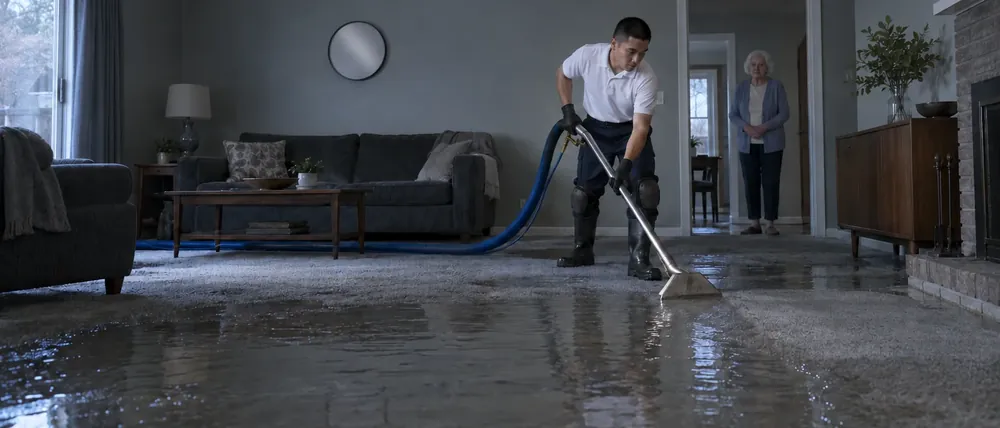
- Extraction stage: Water removal from carpet addresses liquid held in the fibers. Padding and the floor underneath need separate inspection before a decision about keeping the carpet.
- Material decisions: The assessment separates flooring suitable for drying from materials that need removal. Contamination, swelling and separation between layers affect the recommended scope.
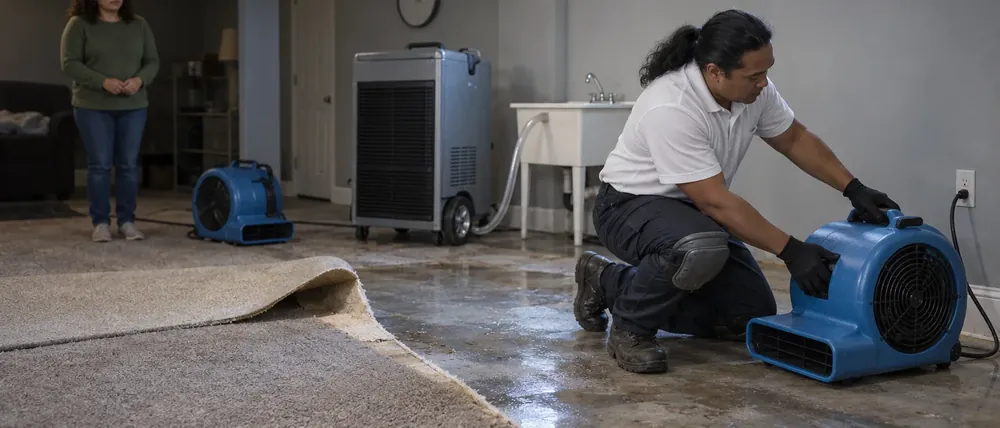
- Drying stage: Air movement and dehumidification target retained moisture where materials can stay. Your technician adjusts the setup as readings change rather than relying on a dry surface.
- Before repairs: Recorded moisture conditions guide the next flooring work. Repair planning follows drying so new finishes or replacement materials do not cover retained moisture.
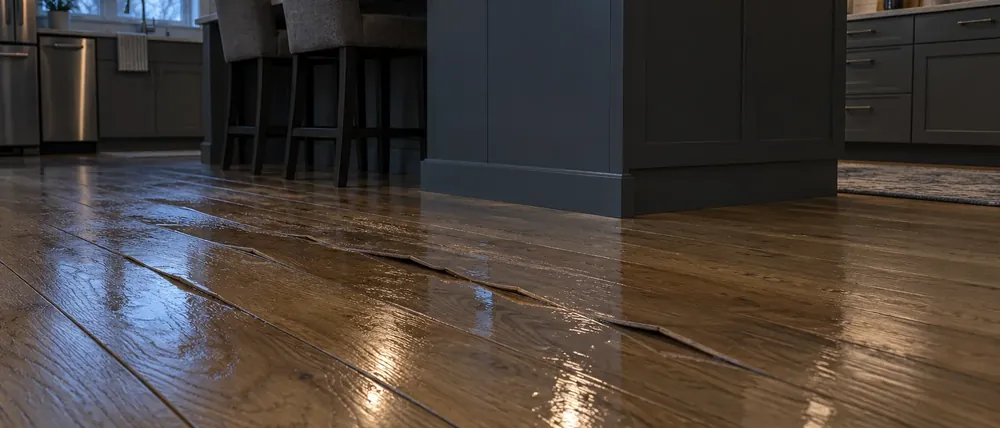
First signs: wet carpet or changing floorboards
- Right away: Standing water reaches carpet edges, floor seams or the space beneath furniture.
- At first contact: Carpet feels soaked underfoot or releases water when pressed.
- As boards change: Hardwood edges rise, seams widen or sections begin lifting.
- After surface cleanup: Water damage on wood leaves swelling or softness that needs assessment.
- As dampness persists: A musty odor or recurring wet patch suggests moisture remains beneath the finish. Call while describing the changes you have noticed.
First call through drying: the flooring sequence
- Hour one: Call now about your wet flooring. Describe the room and visible changes during the conversation, staying clear of electrical hazards.
- Day one: During assessment, your technician records moisture and explains extraction, drying and material removal. Safe access and the floor's condition set the sequence.
- Days two to four: As drying proceeds, repeat readings show whether moisture is falling. EPA guidance says flood drying usually takes several days to weeks.
- Week one: During the progress review, your technician explains what still needs drying and what is ready for repair planning. Moisture readings govern the next stage.
Before work starts: what changes flooring costs
Before work starts, the affected area, floor construction and water condition shape the scope. Carpet extraction, padding removal and access beneath hardwood involve different tasks. Furniture movement, disposal and the amount of retained moisture also affect the work.
Before floor cleanup gets underway, one of our local restoration partners will talk with you about the tasks involved and their pricing. Ask during that conversation which items cover extraction and drying, and which cover later water damage floor repair. The restoration cost guide explains the factors behind a written scope.
At the first call: a clear flooring plan
- When you find water: Calls answered 24/7 let you describe wet flooring without waiting for office hours.
- During the call: A local restoration professional takes the details about your carpet or hardwood and explains the next stage.
- Before work starts: The scope and price conversation identifies the proposed work so you can discuss material decisions.
- During assessment and drying: Photos and moisture readings record affected flooring and progress for documentation, including documentation for insurance.
First minutes: keep clear of wet-floor hazards
In the first minutes, keep children and pets away from wet flooring and use a dry route through the house. Call from a safe place while leaving pooled water and lifted boards undisturbed.
During the first hour, follow CDC's Reentering Your Flooded Home guidance: never operate electrical tools or switch power while standing in water. Have an electrician handle a shutoff that requires crossing water. If you smell gas, leave immediately and contact emergency authorities.
Before disturbing flooring, follow EPA's Floor Cleanup and Removal guidance. Damaged floor tile may contain asbestos; leave suspect materials in place for professional assessment.
Related water damage services
Areas we serve around Huntington and Commack
When floors get wet in Commack or Huntington, call for extraction and drying help. Nearby service areas include Elwood and Greenlawn, with coverage also reaching Greenwich, Stamford, Norwalk and Bridgeport in Connecticut.
Wood Floor & Carpet Water Damage FAQs
Does water damage wood?
After wood gets wet, absorbed moisture can change its shape and condition. A surface that looks dry may still have moisture underneath. During assessment, your technician checks the boards and supporting floor before recommending drying or removal. The depth of wetting, contamination and damage to the material affect what can stay.
How do you fix water damaged plywood?
Before repair, wet plywood needs assessment and drying; sheets with separated layers or lost strength may need replacement. Painting over damage does not restore the material. Your technician checks the affected floor and explains access or removal needs. Later flooring work follows the condition of the plywood and the moisture readings.
Can you repair water damaged wood?
After extraction and drying, some wood can be repaired, while badly distorted or contaminated material may require replacement. Your technician assesses the flooring before outlining the options. Sanding or refinishing should wait until the wood is ready. A written scope separates moisture control from repairs so you can understand each stage.
Can wet carpet and padding be saved?
During assessment, the water source and material condition determine whether wet carpet and padding can be kept. Sewage contamination changes the decision, and extraction alone does not make carpet safe. Your technician evaluates the layers separately, explains any removal needs and checks the floor beneath before planning the remaining drying work.
How long does a flooded floor take to dry?
After floodwater removal, drying usually takes several days to weeks, according to EPA flood cleanup guidance. The floor assembly, moisture load and drying conditions affect the duration. Your technician uses repeat readings to assess progress. Repair planning follows measured dryness rather than a promised finish date or the appearance of the floor.
When water reaches your carpet or hardwood, call now and describe what you see from a safe place.
Call (631) 600-0014